National road traffic legislation update Retail Motor Industry Organisation
Section 172 of the Road Traffic Act is the legal requirement of a road vehicle owner to provide details of an alleged road traffic offence to the police. It is invoked by a range of driving offences, most notably for offences of speeding. You are required, by law, to supply the details of the individual who was driving the vehicle at the time.
Road Traffic Act Singapore Sec 64, 65

The 172 Requirement stems from Section 172 of the Road Traffic Act, which mandates that drivers involved in a road traffic incident must provide the police with certain information when requested. This information typically includes details about the driver's identity, vehicle ownership, and insurance coverage.
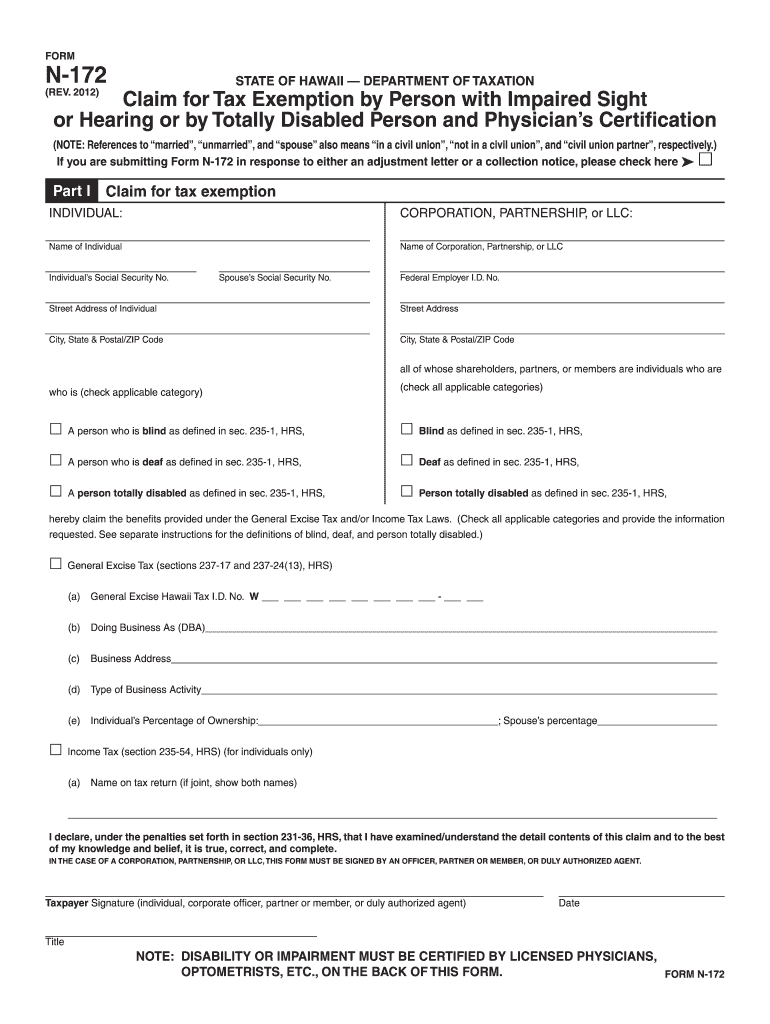
Form N 172 Fill Online, Printable, Fillable, Blank pdfFiller
Changes to legislation: Road Traffic Act 1988, Section 172 is up to date with all changes known to be in force on or before 26 April 2024. There are changes that may be brought into force at a future date. Changes that have been made appear in the content and are referenced with annotations. View outstanding changes.
The Road Traffic Act Section 12 License Duties on Motor Vehicles YouTube

Section 172 of the Road Traffic Act requires the registered vehicle keeper to fill out the details of the person driving the car at the time of the alleged offence. You must fill out the documents as truthfully as you can - failure to do so is an offence. The police expect you to return the form within 28 days, or you risk being charged for.
Failing to name the driver section 172 Road Traffic Act 1988 YouTube
A Notice of Intended Prosecution (also known as a section 1 warning) is a warning issued under section 1 of the Road Traffic (Offenders) Act 1988. It needs to be made clear that this is separate and distinct from a requirement to identify the driver of a vehicle under section 172 of the Road Traffic Act 1988.
What Is Section 172 Of The Road Traffic Act? Britton & Time Solicitors

Section 172 of the Road Traffic Act is aimed at forcing individuals (whether they are the day-to-day keeper of the motor vehicle or the registered keeper on the V5 document) to provide the identity of the driver at the time of an alleged road traffic offence. Hence, Section 172 really is a sledgehammer of a piece of legislation. Most road.
What Is Section 172 Of The Road Traffic Act? Britton & Time Solicitors

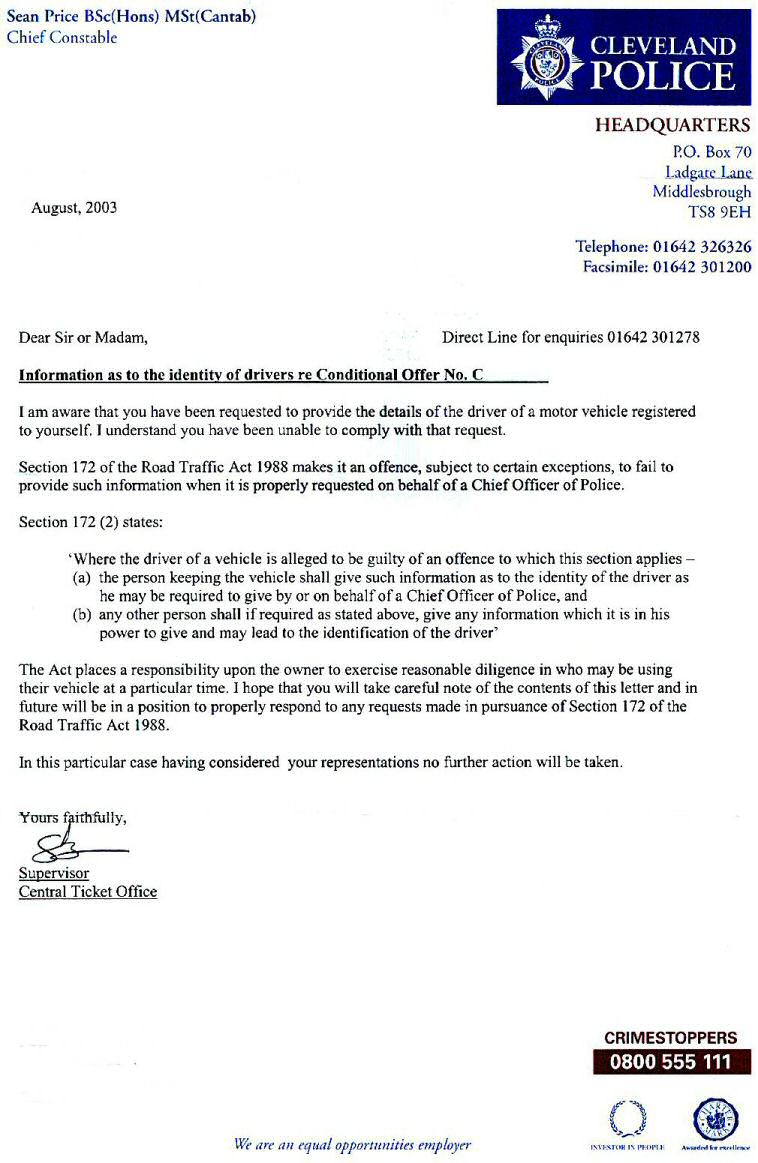
Under Section 172 of the Road Traffic Act 1988, where the driver of a vehicle is alleged to have committed an offence: The keeper commits an offence if they fail to provide information about the identification of the driver at the time of the offence - section 172 (2)(a)); and
What Is Section 172 Of The Road Traffic Act? Britton & Time Solicitors

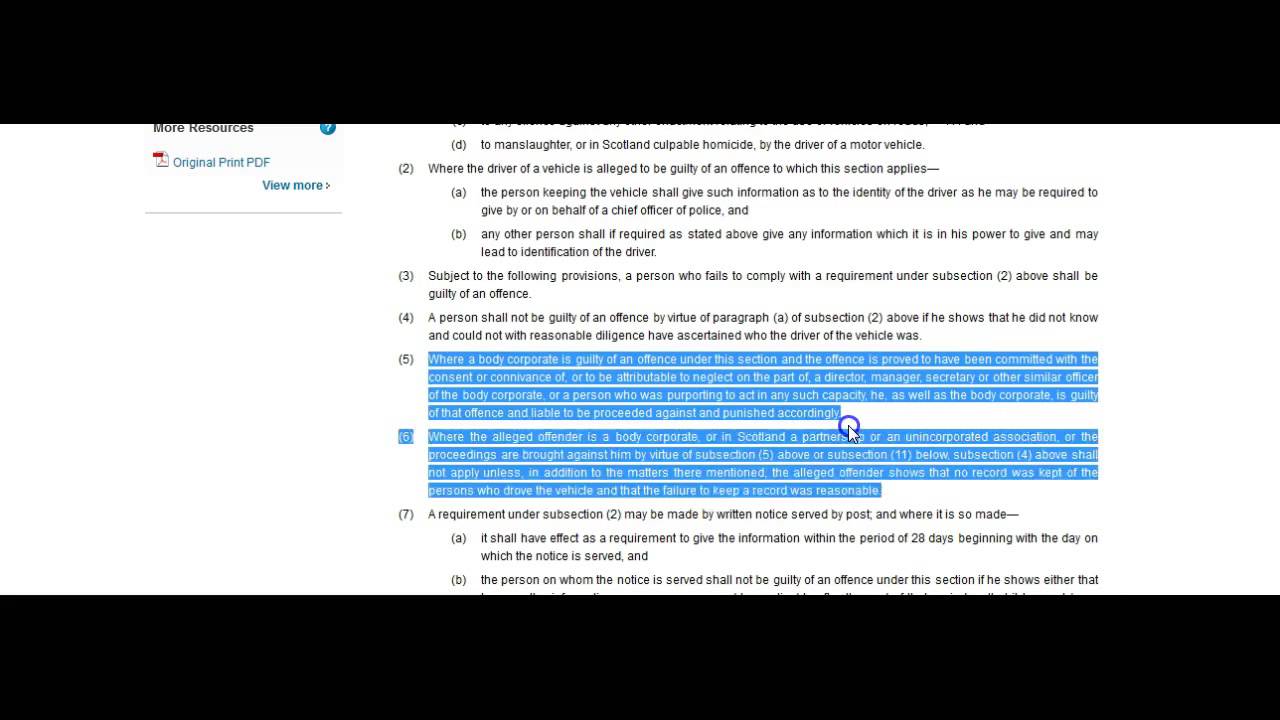
Road Traffic Act 1988, Section 172 is up to date with all changes known to be in force on or before 24 August 2023. There are changes that may be brought into force at a future date.. 26 or 27 of the Road Traffic Offenders Act 1988, (c) to any offence against any other enactment relating to the use of vehicles on roads, F2. . . and (d).
PePiPoo Section 172 UK Motoring Law
Section 172 Road Traffic Act 1988 does not create a duty on the registered keeper of a vehicle to be available at a registered address to receive communications. A failure by the registered keeper to be available was a factor which might make it very difficult, if not impossible, to discharge the burden on him of providing a defence under s.172.
Highway code rules Fatal accident in Pandan Circle on 5th July 2014

Please contact Technical Support at +44 345 600 9355 for assistance. Maintained. View on Westlaw or start a FREE TRIAL today, Section 172, Road Traffic Act 1988, PrimarySources.
The Road Traffic (Owner Liability) Regulations 2000

Road Traffic Act 1988, section 172. Many people will have heard of the 'right to remain silent' or make 'no comment' when it comes to police questioning a person suspected of a criminal offence. However, because of what is regarded as the strong public interest in maintaining road safety, that 'right to silence' does not apply if.
Prosecutions Under s.172 Road Traffic Act 1988 June 2010 PDF Prosecutor Traffic

Under Section 172 of the Road Traffic Act 1988, where the driver of a vehicle is alleged to have committed an offence, the keeper of the vehicle commits an offence if they fail to provide information about the identification of the driver at the time of the offence and; any other person commits an offence if they fail to provide information which it is in their power to give, which may lead to.
Disqualification Avoiding a Driving Ban. Traffic, Wales england, Road

Section 172 of the Road Traffic Act is an important legal provision that places an obligation on drivers involved in road traffic incidents to provide the necessary information to the police. This provision is aimed at ensuring that individuals take responsibility for their actions on the road and cooperate fully with law enforcement officials.
Main Banner

The duty to give information as to the identity of a driver in certain circumstances arises in relation to: • any offence created by sections 1-171 of the Road Traffic Act 1988 (RTA 1988) except for offences under RTA 1988, Pt V or an offence under RTA 1988 ss 13, 16, 51(2), 61(4), 67(9), 68(4), 96 or 120 and to an offence under RTA 1988, s 178. any offence under sections 25-27
What is a Section 172 Notice? Kent Traffic Law Motoring Offences Lawyer London

In short, Section 172 of the Road Traffic Act 1988 creates a legal obligation on a person to provide the name and address of the driver at the time of the alleged offence. A period of 28 days is usually given to provide this information. If no response is forthcoming the police can bring a charge against the registered keeper of the vehicle, or.
Road Traffic Act 1972 Evidence by certificate. 182. Admissibility of records as evidence. 183

and to an offence under section 178 of this Act, (b) to any offence under sections 25, 26 or 27 of the Road Traffic Offenders Act 1988, (c) to any offence against any other enactment relating to the use of vehicles on roads, F2. . . and. (d) to manslaughter, or in Scotland culpable homicide, by the driver of a motor vehicle.
.